疾病定義與分類
- Histiocytic sarcoma (HS)(又稱 histiocytic lymphoma、malignant histiocytosis)為極罕見的惡性增生,細胞具成熟 histiocytes 的形態與免疫表型特徵。
- 許多 immunohistochemistry 與分子技術時代前診斷的病例,現認定實為 diffuse large B-cell lymphoma、anaplastic large cell lymphoma 或其他 NHLs;歷史文獻因而難以解讀。
臨床特徵與預後
- 多數病人為第四或第五十年成人,但年齡範圍廣;部分系列報告男性較多。
- 多數病灶起於 extranodal 部位,特別是腸道、皮膚、軟組織;脾、CNS 等少見。皮膚病灶多為 red 或 violaceous nodules。
- 罕見病例呈全身性疾病與多部位侵犯(malignant histiocytosis),部分病人有發燒、體重減輕、hepatosplenomegaly、pancytopenia。
- 多數病人(70%)為 advanced-stage(stage III or IV),死亡率 60–80%;較局限疾病預後較佳。
致病機轉
- 病因與致病機轉不明。少數病例與 mediastinal germ cell tumors(多為 malignant teratoma ± yolk sac tumor)相關,提示 HS 可能源自與 germ cell tumor 相同的 progenitor cell。
- 其他病例與其他血液惡性腫瘤(NHL、myelodysplasia、leukemia)相關;部分顯示與所伴 follicular lymphoma 相同的 BCL2 translocation 或 immunoglobulin gene rearrangement,提示部分為 transdifferentiation。
- 一項研究中相當高比例病例發現 BRAF gene 突變。
- 多數病例 antigen receptor genes 為 germline configuration,偶見 clonal immunoglobulin 與 T-cell receptor gene rearrangements。
組織病理特徵
- 由真皮網狀層瀰漫性、常呈「bottom heavy」延伸至皮下;無 epidermotropism,常見 grenz zone。
- 腫瘤細胞大,胞質中至多量嗜酸性,常見細空泡;核常偏位,從圓形、卵圓形空泡狀到多葉、扭曲、奇異變異,偶模仿 Hodgkin 或 Reed-Sternberg cells;核仁明顯且常多個。
- Mitotic activity 多變,mitoses 通常明顯且常異常。可見 spindle cell sarcoma-like 與 storiform 生長型及 xanthomatous 型。Erythrophagocytosis 少見,可有 lymphophagocytosis;壞死可見但通常不廣泛,vascular invasion 罕見。
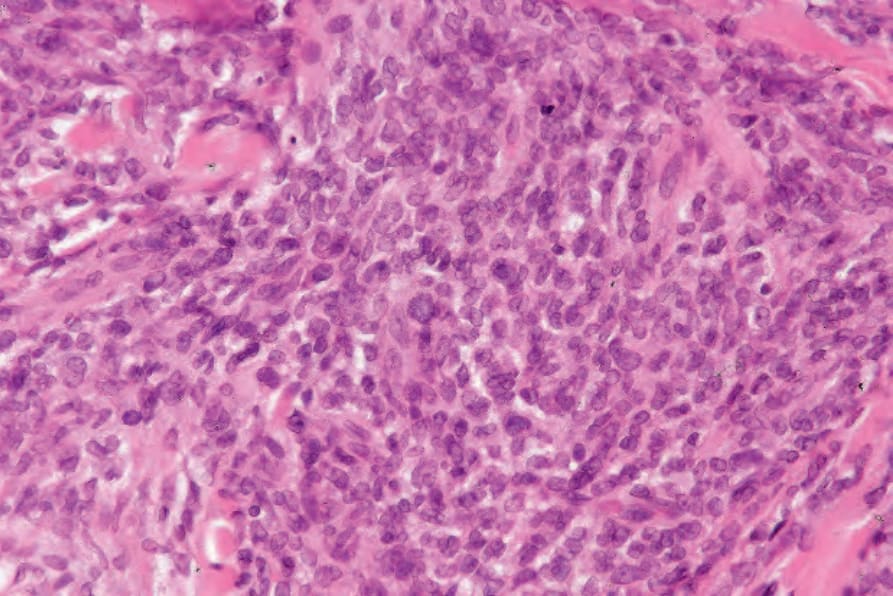
圖 29-338:Histiocytic sarcoma:histiocytes 具嗜酸性胞質與空泡狀核。
免疫組化與超微結構
- 表現 CD163、CD68 及/或 lysosyme(後者常在 Golgi 區增強);常弱陽性 CD45、CD45RO、CD4,偶弱表現 CD15。
- S100 有時呈弱而局部陽性,提示部分 dendritic cell 分化;CD1a、langerin 例外且僅極少數細胞陽性,此時可能難與 LCS 區分。
- FDC(CD21、CD35)、lymphocyte(CD3、CD5、CD20、CD79a、pax5)、myeloid(CD33、myeloperoxidase)、melanocytic(HMB-45、Melan A)、epithelial(cytokeratins)標記皆陰性。
- 超微結構下腫瘤細胞具明顯 lysosomes;無 Birbeck granules、desmosomal attachments 與 interdigitating junctions。
鑑別診斷
- 診斷依賴證明腫瘤細胞為 histiocytic lineage 並排除其他分化系,常為排除性診斷。
- 以廣泛免疫組化 panel 可辨識或排除 undifferentiated diffuse large B-cell lymphoma、anaplastic large cell lymphoma 及其他 NHLs;melanocytic neoplasms 多表現 HMB-45 及/或 melan A;undifferentiated carcinomas 表現 keratins;AML 應與 CD33、有時 myeloperoxidase 反應。