Knuckle pad
Knuckle pad
Clinical features Knuckle pads, which are regarded as a superficial variant of palmar fibromatosis, are not uncommon, rather banal lesions that rarely come to the
Pathogenesis and histologic features The etiology of knuckle pads is unknown but it has been suggested that they may be induced by knuckle cracking.11 A case induced by trauma from playing video games has been reported.12
A knuckle pad is manifest as an area of non-specific fibrous proliferation in the dermis, often associated with overlying hyperkeratosis (Fig. 35.110).
1732 Connective tissue tumors
number of mature fibroblasts, small blood vessels and elastic tissue, all merging with the adjacent normal dermis. Within fibrokeratomas, small peripheral nerves or tactile corpuscles are inconspicuous in contrast to their prominence in accessory digits.
The clinical history allows their distinction from an accessory digit, periungual fibroma or knuckle pad. Local excision is curative.
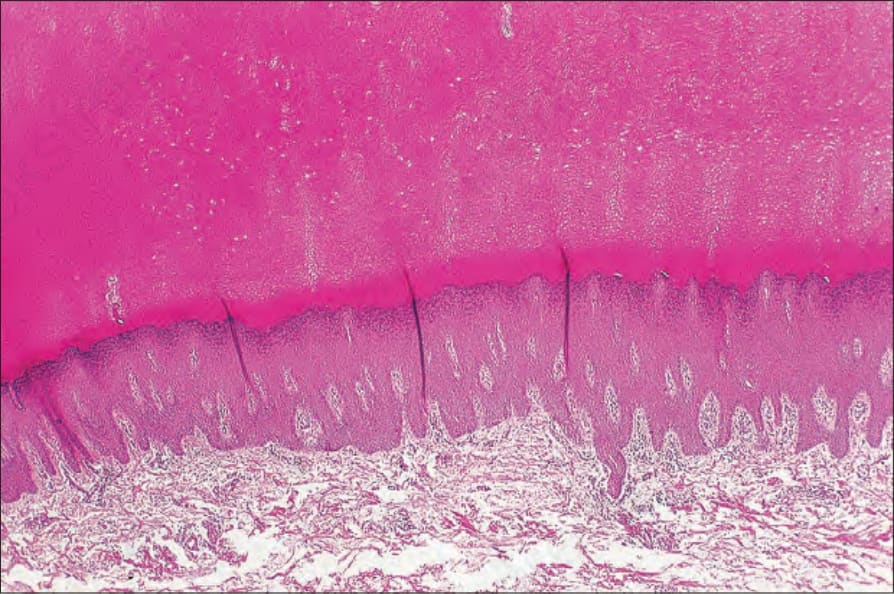
Fig. 35.110 Knuckle pad: in this section there is massive hyperkeratosis and acanthosis. The appearances are non-specific.
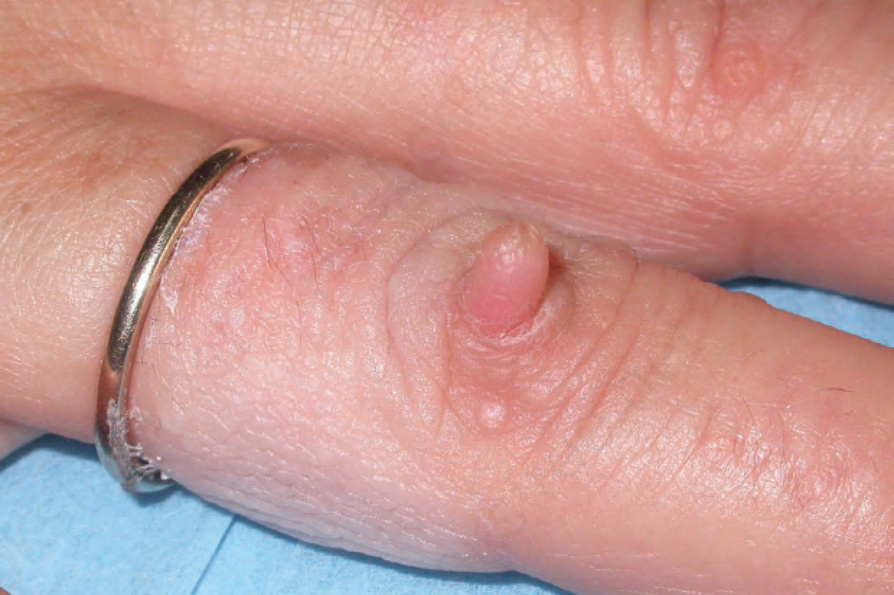
Fig. 35.111 Acquired digital fibrokeratoma: the resemblance to a supernumerary digit is striking. By courtesy of J.C. Pascual, MD, Alicante, Spain.
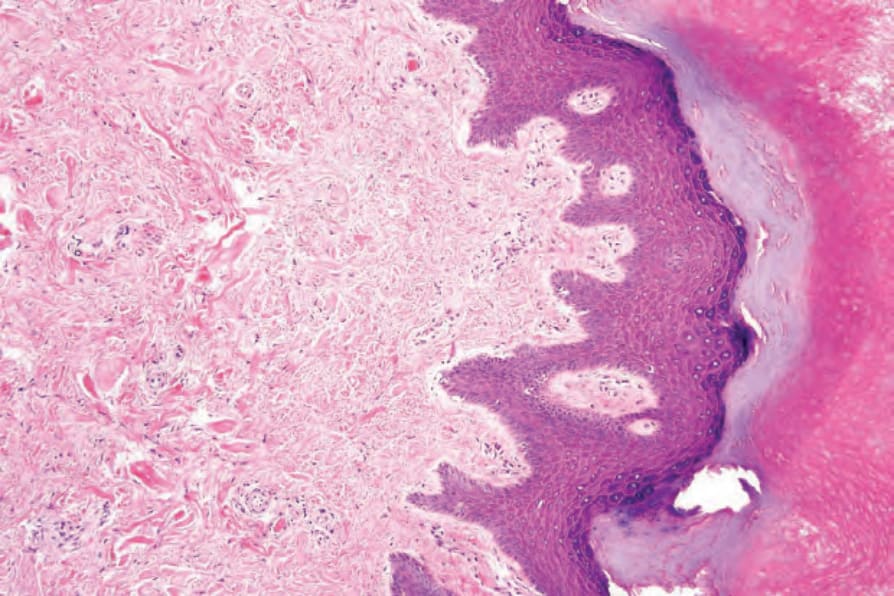
Fig. 35.113 Acquired digital fibrokeratoma: the core of the lesion consists of mature collagen bundles, fibroblasts, and small blood vessels.