Xanthogranuloma
Xanthogranuloma
Clinical features Juvenile xanthogranuloma (JXG) is an uncommon non-Langerhans cell histiocytic skin disorder that primarily affects infants and young children. In and around the eye, the iris and eyelids are most frequently involved. The conjunctiva, ciliary body, optic nerve, and orbit are affected less frequently. Solitary JXG of the corneoscleral limbus is a rare form of ocular involvement seen in infants and children, and few adult cases have also been reported.1,2 Clinically, the lesion is a yellow-pink to yellow-orange stromal mass (Fig. 27.53). Patients may or may not have systemic findings.
Histologic features JXG is composed of numerous foamy histiocytes with scattered Touton giant cells, and scattered lymphocytes, plasma cells, eosinophils, and some neutrophils (Fig. 27.54).2 By immunohistochemistry, lesional cells are positive for the macrophage markers CD68 and CD163 and often, but not always, negative for S100 protein. CD1a and Langerin are negative.
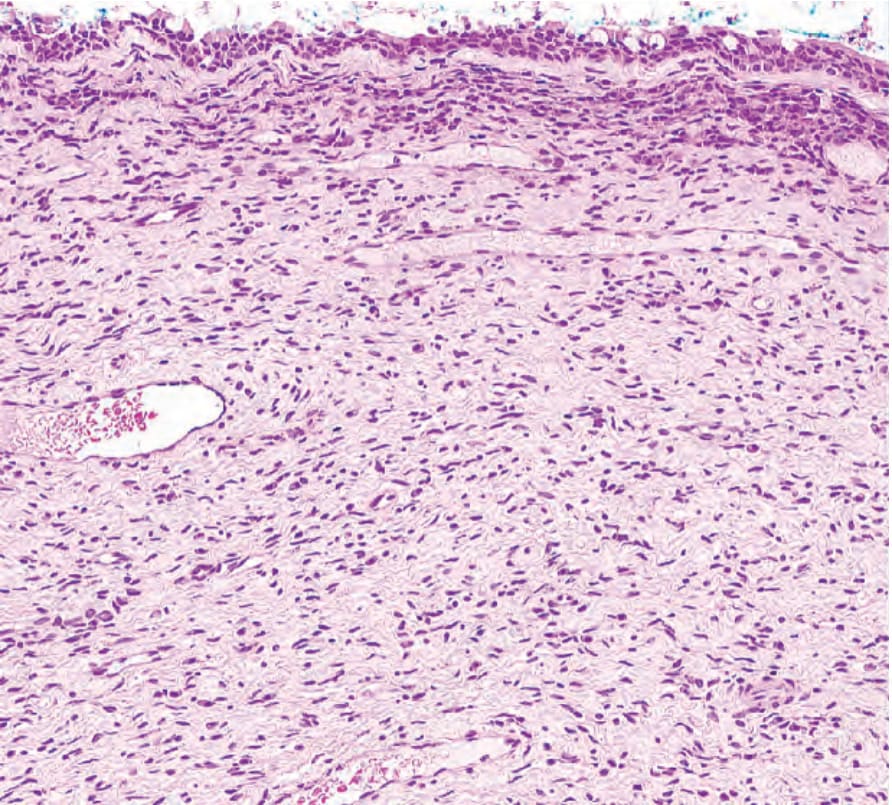
Fig. 27.52 Neurofibroma: the tumor is composed of cells with eosinophilic cytoplasm and wavy nuclei.
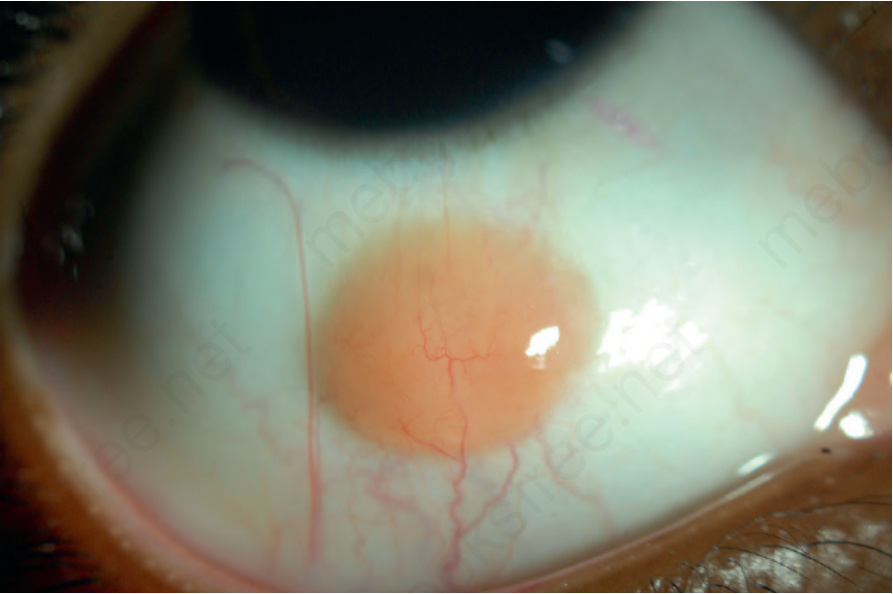
Fig. 27.53 Juvenile xanthogranuloma: a circumscribed yellow-orange lesion is on the inferior bulbar conjunctiva.
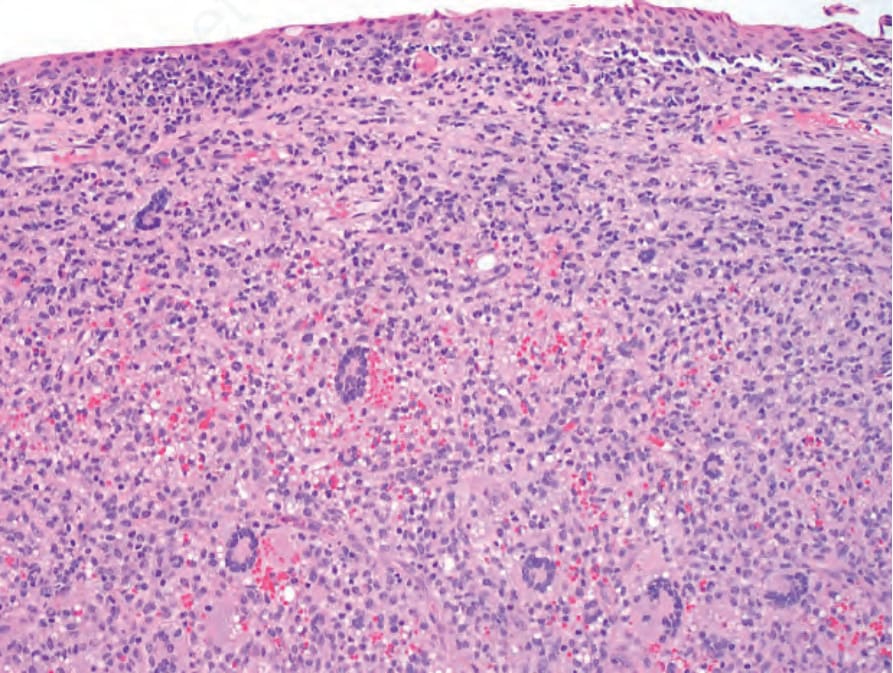
Fig. 27.54 Juvenile xanthogranuloma: histology shows histiocytes with scattered Touton giant cells.