Ephelide
Ephelide
Clinical features Ephelides (freckles) are extremely common lesions that present as clusters of small (approximately 2.0 mm in diameter), uniformly pigmented macules (Fig. 25.1).1–5 They are directly related to exposure to sunlight and are much more conspicuous in summer than in winter. Sites of predilection therefore include the nose, cheeks, shoulders, and dorsal aspects of the hands and arms.2 Although virtually everyone shows some degree of freckling, ephelides are particularly common and numerous in individuals with red hair and blue eyes, where there is probably an autosomal mode of inheritance.5 Ephelides present in childhood, increasing in frequency in adults and typically regressing in the elderly.2,5 There is a predilection for females. High levels of freckling may indicate a raised susceptibility to the later development of melanoma.6 Similarly, increasing numbers of freckles correlate with a higher frequency of acquired melanocytic nevi.7 Otherwise, although a cosmetic nuisance, they are of no clinical importance. A recent study demonstrated two independent risk factors associated with history of freckle formation; frequent and constant sunburns and the presence of
nevi) 1309 Genetic biomarkers to assist diagnosis 1309
melanocortin-1 receptor gene polymorphism with major variants being associated with more freckling.8
Histologic features Ephelides are characterized by excessive keratinocyte pigmentation associated with normal or even diminished numbers of melanocytes (Fig. 25.2).9,10 The epidermal architecture is normal. Solar elastosis is not a feature of ephelides.
Ultrastructurally, the melanocytes contain enlarged spherical granular melanosomes in contrast to the striated ellipsoid forms seen in normal white skin.11
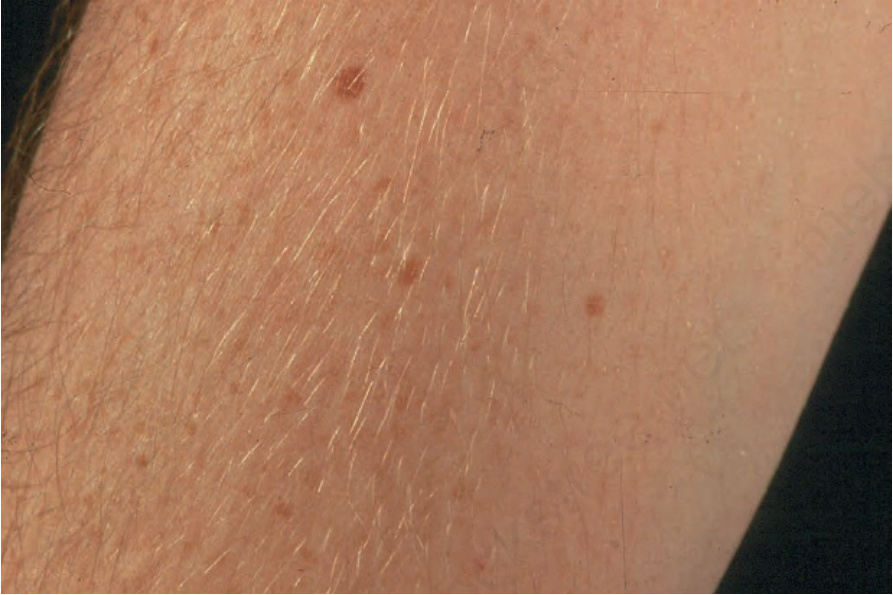
Fig. 25.1 Ephelides: these present as small pigmented macules that darken on exposure to sunlight.
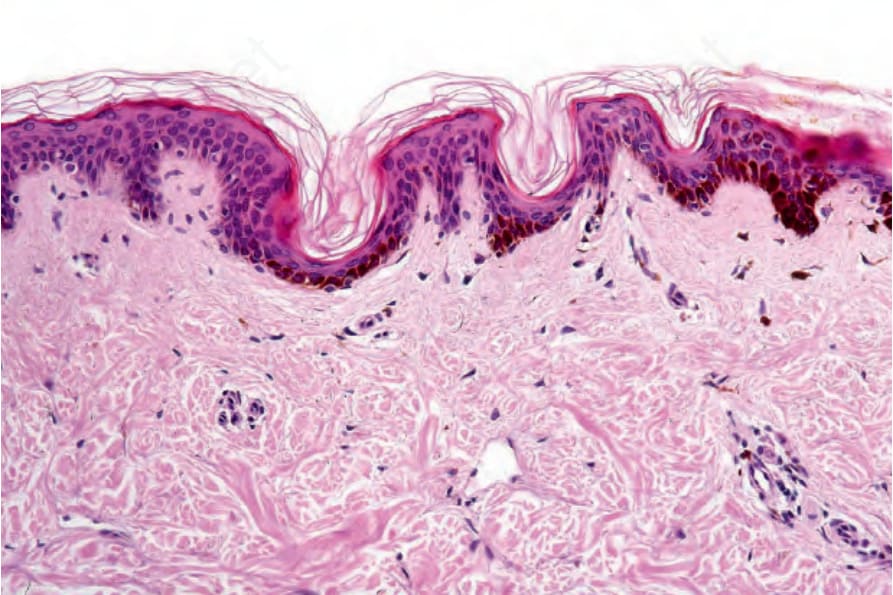
Fig. 25.2 Ephelis: note the hyperpigmentation of the basal layer of the epidermis. The number of melanocytes is within normal limits and there is no evidence of junctional activity.