Anagen effluvium
Anagen effluvium
Anagen effluvium usually refers to extensive shedding of anagen hairs due to abrupt interruption of mitotic activity in hair matrix cells.1 It generally presents in a diffuse manner although with diverse patterned hair loss.2,3
It is typically induced by the administration of antineoplastic drugs, particularly alkylating agents, and low-dose radiation exposure, but has also been documented with some toxins (boric acid, copper, cadmium, mercury, bismuth, thallium), seeds of the selenium-rich plant Lecythis ollaria (coco de mono), and in inflammatory diseases such as alopecia areata and pemphigus vulgaris.4–7 The hair loss occurs in the second or third week during which the drug has been administered. It presents as broken off rather than
1086 Diseases of the hair
shed hairs and may affect other hair areas such as the beard, eyebrows, eyelashes, axillae, and pubic hair. Once the medication is stopped, the loss is usually reversible, although permanent alopecia after high busulfan therapy in recipients of bone marrow transplantation, taxanes for breast cancer, and cisplatin and etoposide for lung cancer has been reported.8,9 Not all drugs produce anagen effluvium; nevertheless, some like retinoids, 5-fluorouracil and methotrexate trigger telogen effluvium.10
Histologic features The diagnosis is commonly established on the basis of clinical correlation. There are no large histologic studies of the acute phase of anagen effluvium related to chemotherapy. There are only limited studies of patients with permanent alopecia postchemotherapy. The biopsy does not show characteristic changes, and the histologic picture may closely simulate a nonscarring alopecia, an advanced androgenetic alopecia, or a late alopecia areata without an inflammatory cell infiltrate. The utility of the biopsy lies in the differential diagnosis with the aforementioned entities, but more often than not, it may be impossible to reach a correct diagnosis if an appropriate clinical history is lacking.8,11
improves with age as the hair increases in caliber, density, and length. However, a tendency to anagen hair loss persists indefinitely.3 The phenotype is heterogeneous, and in some patients with no family history the onset of the disease is in adult life. Such cases are often misdiagnosed as telogen effluvium.9 There are three phenotypes: type A, which shows decreased hair density; type B, which is characterized by unruly and curly hair; and type C, which has normal hair density.10 Types A and B occur in children, possibly evolving into the type C phenotype around the age of 8 years.11
Diagnosis is relatively easy with a hair-pull test or a trichogram.12 The hairs loosen without any effort, just by soft traction. The diagnosis is confirmed by microscopic examination, demonstrating that the majority (more than 70%), if not all, the hairs are in anagen. Adherence to the follicle is so poor that the extracted hairs lack inner and outer root sheaths. The hair cuticle shows some folding (ruffled cuticle) (Figs 22.101 and 22.102).13
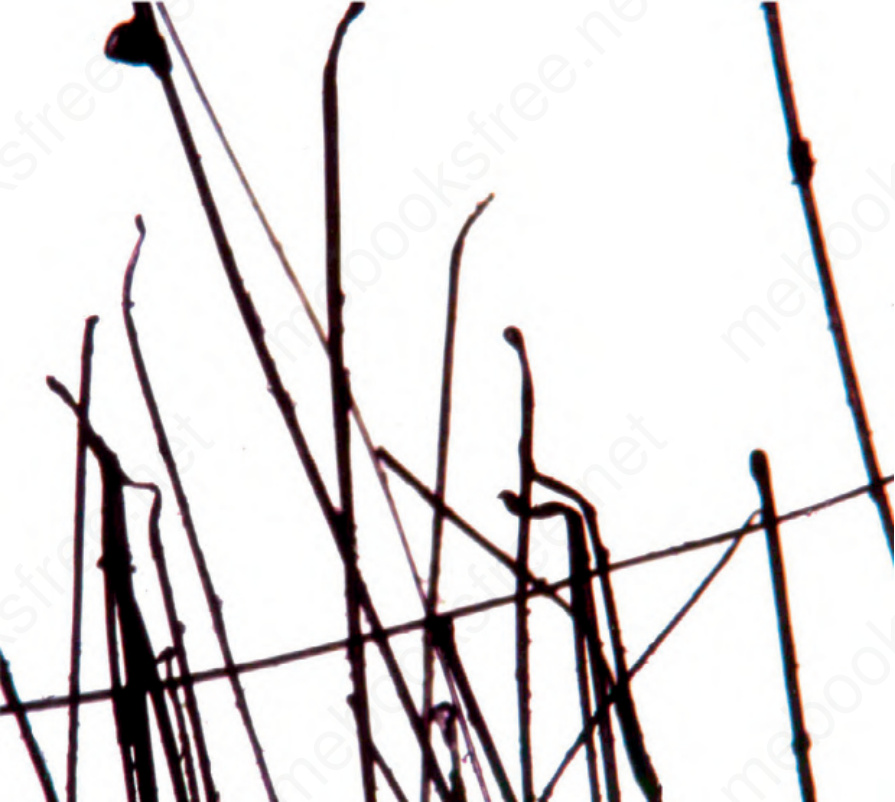
Fig. 22.101 Loose anagen hair syndrome, trichogram: the majority of plucked hairs are anagen hairs devoid of root sheaths. Courtesy of P. Reygagne, MD, Centre Sabouraud, Paris, France.