Dermatopathia pigmentosa reticularis
Dermatopathia pigmentosa reticularis
Clinical features Dermatopathia pigmentosa reticularis is a very rare inherited disorder characterized by the triad of reticulate hyperpigmentation, noncicatricial alopecia, and onychodystrophy.1–5 The reticulate hyperpigmentation may be present at birth or in the first years of life. The hair of eyebrows, axillae, and pubis is sparse. Other associated features include dark nipples, adermatoglyphia (absence of fingertip and toetip prints), hypo- or hyperhidrosis, hypopigmented macules, and palmoplantar hyperkeratosis. Additionally, nonscarring blisters on the dorsum of the feet and hands have been documented.4 In another patient, there were two neurofibromas but no other
1007 Dyschromatosis symmetrica hereditaria
A
B
evidence of neurofibromatosis type I was found.2 In a further patient, there was wiry hair on the scalp and digital fibromatosis, and in another there was early-onset gastric carcinoma.6,7 A report of a familial case suggested autosomal dominant inheritance.3 Most cases of the disease have been reported in Europe.
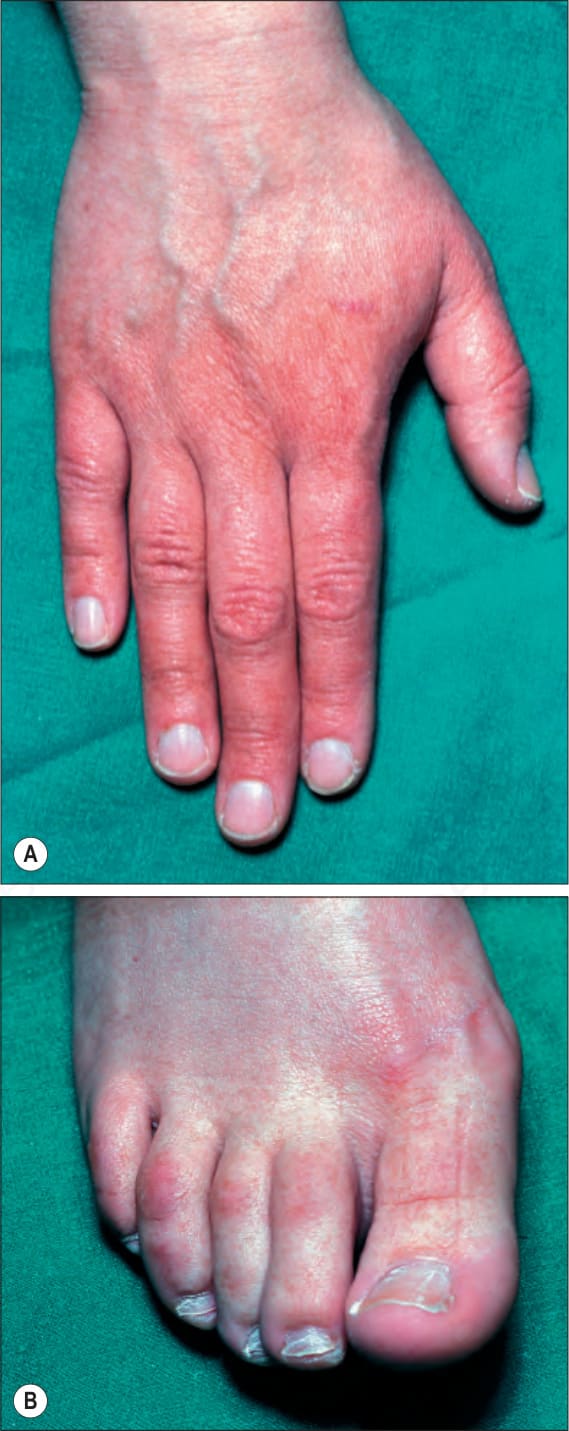
Fig. 20.32 Reticulate acropigmentation of Kitamura (macular reticulate pigmentation). By courtesy of the Institute of Dermatology, London, UK.
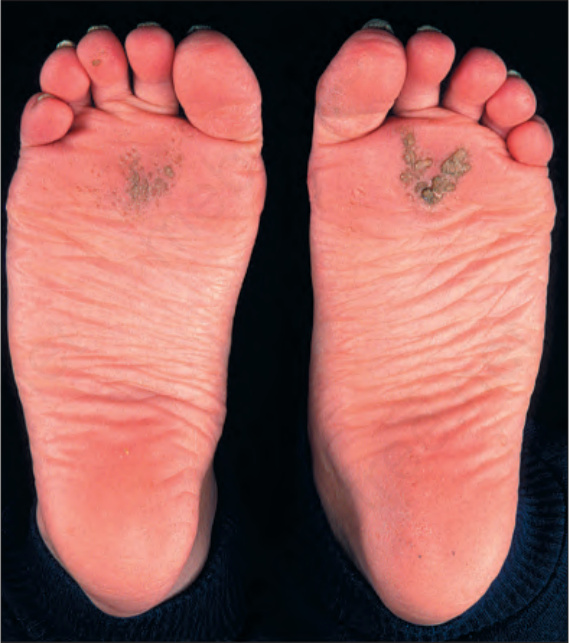
Fig. 20.33 Naegeli-Franceschetti-Jadassohn syndrome: palmoplantar keratoderma is often seen. By courtesy of the Institute of Dermatology, London, UK.
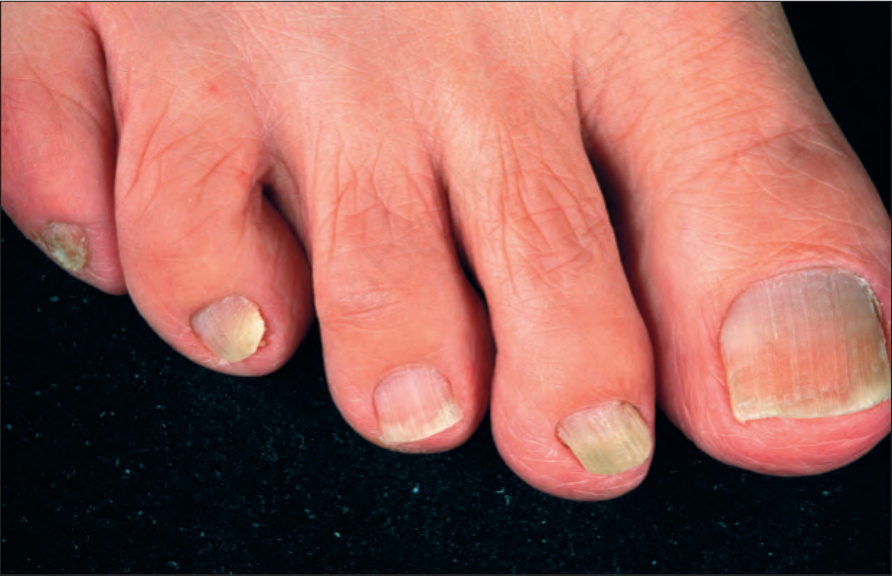
Fig. 20.34 Naegeli-Franceschetti-Jadassohn syndrome: misalignment of the toenails is seen in some cases. By courtesy of the Institute of Dermatology, London, UK.