Immune thrombocytopenic purpura
Immune thrombocytopenic purpura
Clinical features Immune thrombocytopenic purpura (idiopathic thrombocytopenic purpura, ITP) is a rare disease, of which two forms – acute and chronic – are recognized:
767 Hypergammaglobulinemic purpura
• Acute ITP is a disorder that characteristically affects children following a viral illness.1 Patients present with petechiae, purpura, and bleeding. Most cases are self-limiting with the majority of patients recovering within weeks to months.2,3 A rare but serious complication is intracranial hemorrhage.
• Chronic ITP is the term used when the disorder persists for 6 months or longer.2 The chronic form tends to affect adults and is associated with connective tissue diseases such as lupus erythematosus or lymphoproliferative disorders. Thrombocytopenic purpura has also been described in patients with thyroid disorders, including Graves disease and Hashimoto thyroiditis.4,5 The condition may occur in association with multiple concurrent autoimmune diseases, such as diabetes mellitus, pernicious anemia, and systemic sclerosis.6 Some patients have had associated antiphospholipid antibody syndrome.7–9 Patients with H. pylori infection or those infected with the HIV may also develop immune thrombocytopenia.10–14
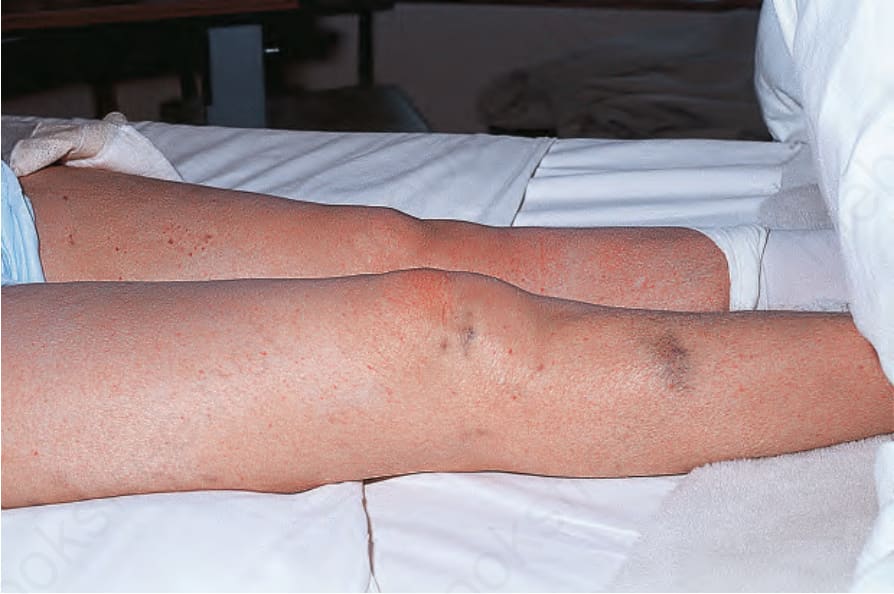
Fig. 16.130 Idiopathic thrombocytopenic purpura: these legs show purpura, petechiae, and bruising. By courtesy of N. Slater, MD, St Thomas’ Hospital, London, UK.
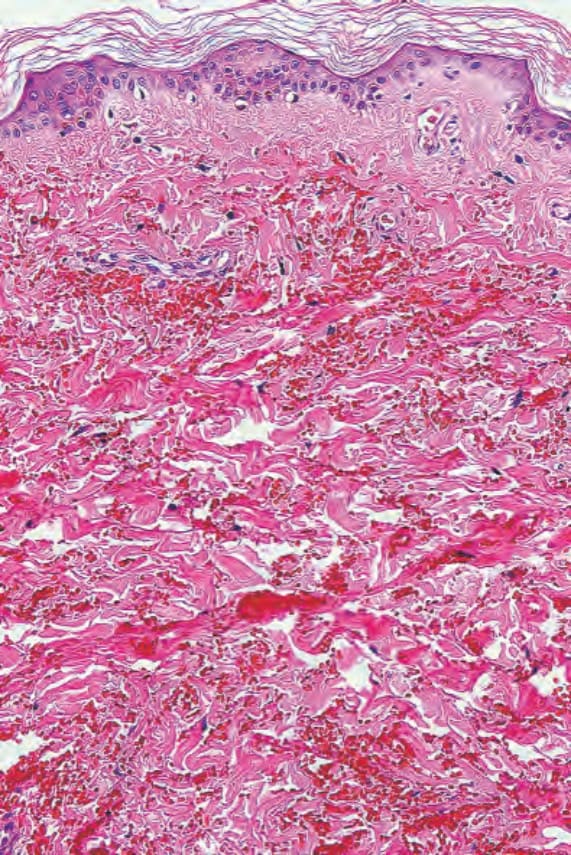
Fig. 16.131 Idiopathic thrombocytopenic purpura: there is hemorrhage but no evidence of vasculitis is seen.