EMLA cream (prilocaine-lidocaine emulsion)
EMLA cream (prilocaine-lidocaine emulsion)
Clinical features EMLA is a eutectic mixture of prilocaine and lidocaine that is used widely as a cream to provide local anesthesia, particularly in children and in adults in genital areas. Very few side effects occur with its application, among them a petechial eruption, contact urticaria, allergic contact dermatitis, and irritant contact dermatitis.1–4 For dermatopathologists, however, what is more important about EMLA are the subtle changes that it can cause at a microscopic level, leading to difficulties in interpretation.5 These changes
appear to be related to the time that the cream is applied to the patient and they may be more common in skin in which the biopsy is performed as a result of an inflammatory process.
Histologic features In cases of irritant contact dermatitis, the features consist of confluent necrosis of the upper layers of the epidermis, focal interface change with hydropic degeneration of basal cells and clefting at the dermal–epidermal junction and an upper dermal mixed inflammatory cell infiltrate with neutrophils.4 The changes mimic a necrolytic erythema or GVHD. In cases with no clinical evidence of a side effect, there is vacuolization of the granular cell layer and upper stratum spinosum and focal areas with hydropic degeneration of basal cells and clefting at the dermal–epidermal junction.5 The latter changes may mimic epidermolysis bullosa (Fig. 14.134). By electron microscopy, the appearances mimic a lysosomal storage disorder with empty lysosomal inclusions.6 The latter change has been attributed to the castor oil contained in EMLA cream.
681 EMLA cream (prilocaine-lidocaine emulsion)
Access ExpertConsult.com for the complete list for references
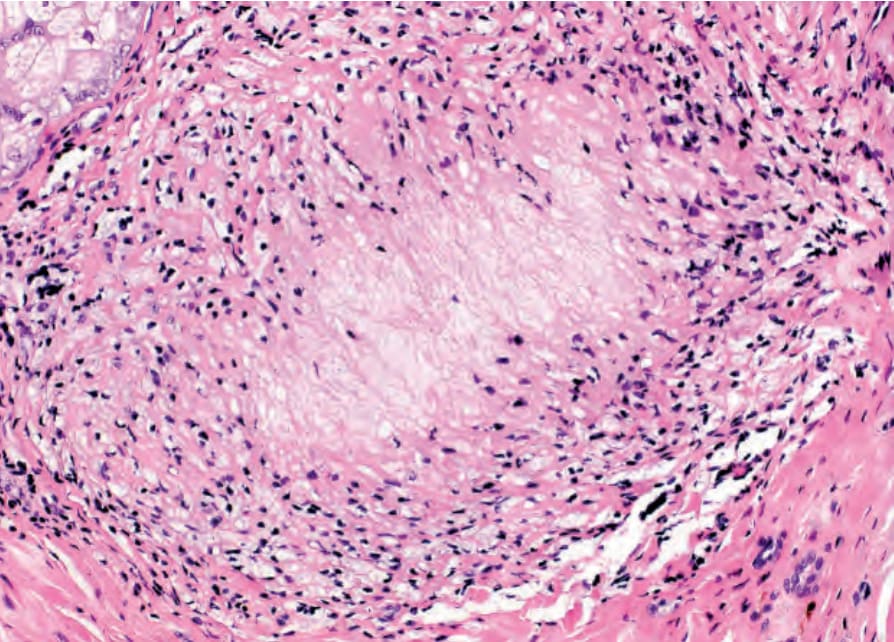
Fig. 14-134 (caption embedded in image / 圖說烘焙於圖內)