Crohn disease
Crohn disease
Clinical features Anogenital lesions occur in about 30% of patients with intestinal Crohn disease, either by direct extension of active intestinal disease or occurring at sites distant from any gastrointestinal lesions1 (so-called ‘metastatic disease’) such as the face and limbs (Figs 12.72–12.75). Skin involvement is more common in patients with colonic disease (up to 80%), and anogenital disease may present years before there is evidence of gastrointestinal disease.2 Vulval edema can be the only manifestation, and occasionally it is unilateral3,4 Crohn disease may involve the penis and scrotum, presenting as
Histologic features The histologic features consist of extensive necrosis of the skin and deeper tissues, and more specific changes may be found depending on the etiology of the process.
495 Infectious diseases
penoscrotal lymphedema.5,6 More usually, however, the disease is associated with erosions, ulceration, abscesses, skin tags, sinus, and fistula formation.7 Lesions can exceptionally mimic hidradenitis suppurativa and pyoderma gangrenosum.8 Deep fissures (‘knife-cut’ sign) along the skin creases are a characteristic feature. Patients of any age with Crohn disease including children may present with anogenital involvement.9 Oral involvement includes edema, fissuring, and mucosal ‘cobblestoning’. One patient presented with ‘metastatic’ Crohn disease and oral intraepithelial IgA pustulosis.10
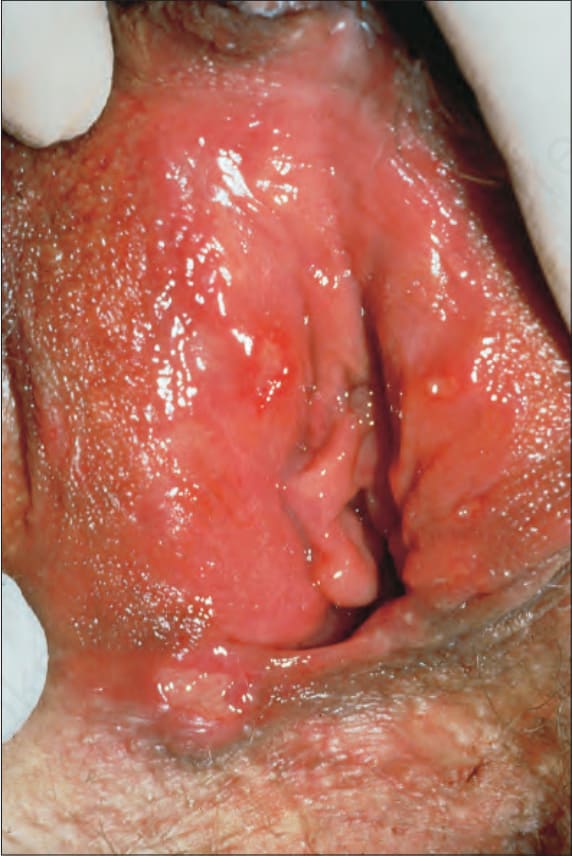
Fig. 12.72 Vulval Crohn disease: there is intense erythema and multiple vestibular erosions are present. By courtesy of the Institute of Dermatology, London, UK.
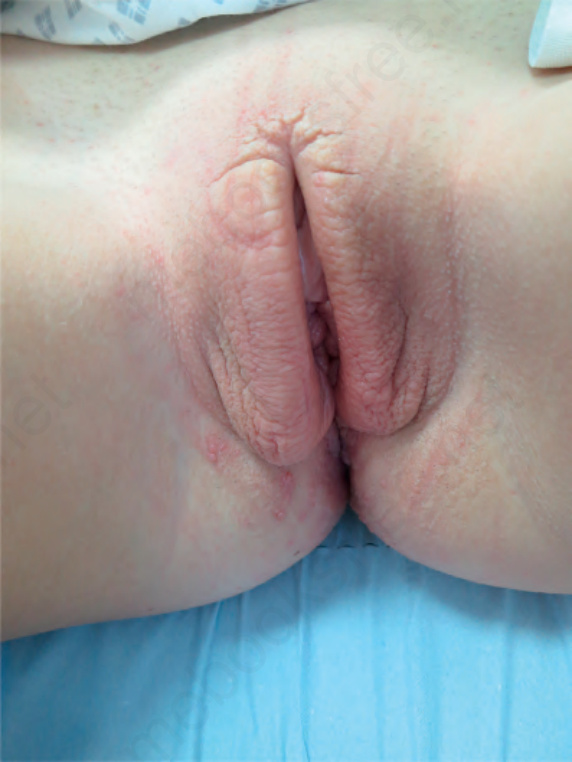
Fig. 12.73 Vulval Crohn disease: in this patient, there is marked edema which is the presenting feature.
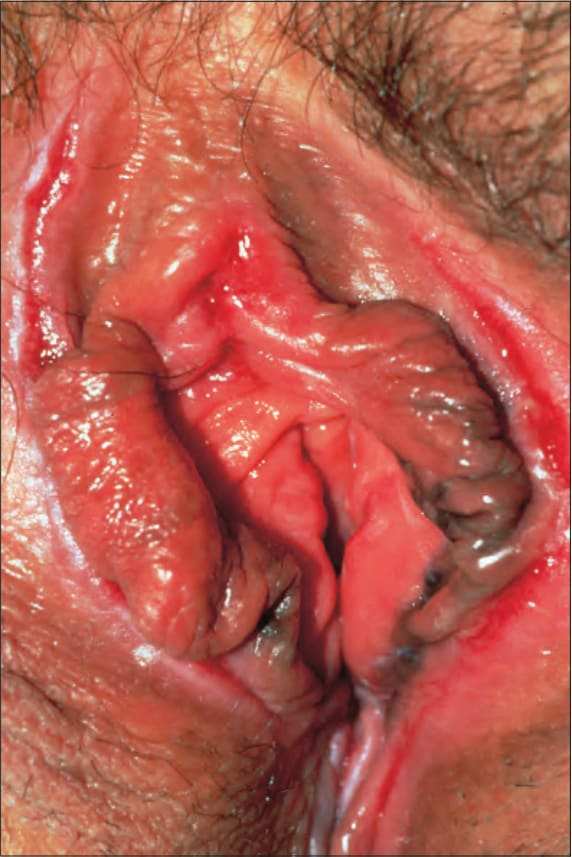
Fig. 12.74 Vulval Crohn disease: note the erythema, edema, and erosions. By courtesy of the Institute of Dermatology, London, UK.
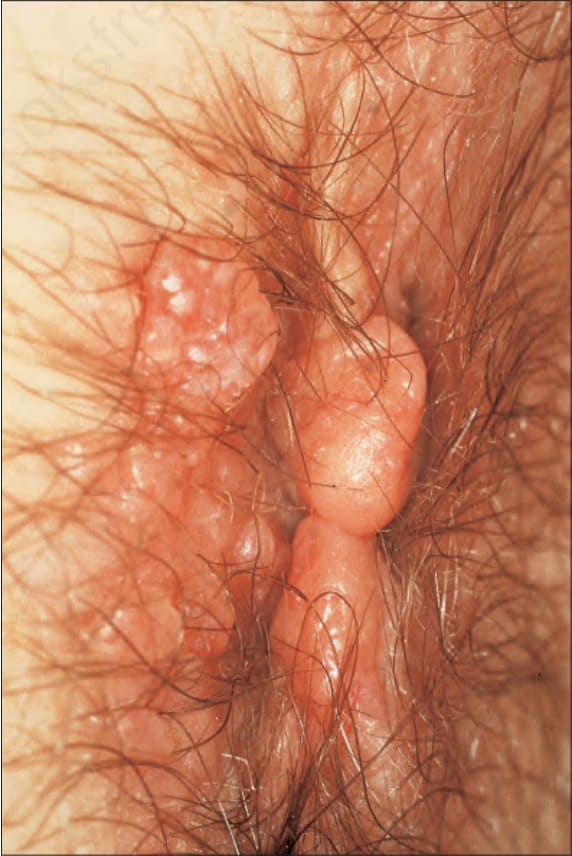
Fig. 12.75 Perianal Crohn disease: multiple skin tags showing massive edema are present. By courtesy of the Institute of Dermatology, London, UK.
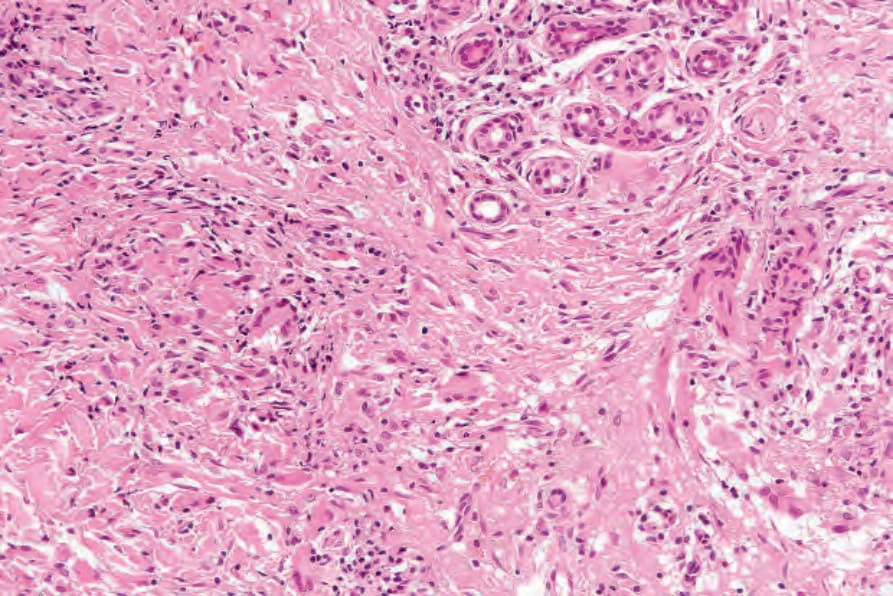
Fig. 12.76 Vulval Crohn disease: there is an ill-defined granulomatous infiltrate with conspicuous giant cells in the deep reticular dermis.