Erythrokeratoderma
Erythrokeratoderma
‘Erythrokeratoderma’ or ‘erythrokeratodermia’ refers to a group of genodermatoses characterized by localized erythematous lesions, hyperkeratotic plaques, and, infrequently, mild palmoplantar keratosis.1 Many of these diseases represent connexin mutations (Table 3.5). Connexin genes code for transmembrane proteins that form gap junctions and are involved in epidermal differentiation. Other connexin mutations, such as the KID/hystrix-like ichthyosis-deafness (HID) syndrome and Vohwinkel syndrome are associated with sensorineural hearing loss. In others, the genetic defect has yet to be identified.2 According to a consensus conference erythrokeratodermas are now classified as ichthyoses.3
Differential diagnosis There is considerable histologic overlap with keratosis pilaris and the follicular lesions of pityriasis rubra pilaris. The distinction is best made clinically.
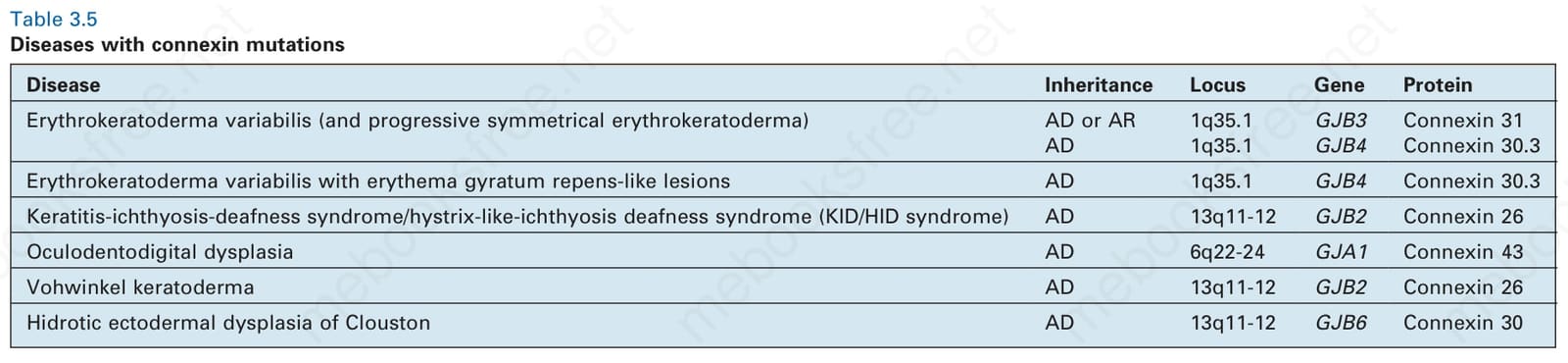
Table 3.5 Diseases with connexin mutations