Acquired ichthyosis-like conditions
Acquired ichthyosis-like conditions
Acquired ichthyosis-like or ichthyosiform conditions refer to patients who develop diffuse ichthyosis-like scaling during their life (Table 3.4). The adult-onset renders the term ‘acquired ichthyosis’ inappropriate. It is an important paraneoplastic manifestation of a number of malignancies: Hodgkin lymphoma is most often encountered, but non-Hodgkin lymphoma, including mycosis fungoides and a range of carcinomas, are also associations.1–8,17 Ichthyosiform skin changes may also accompany malnutrition, human immunodeficiency virus (HIV) and other infectious diseases, sarcoidosis, connective tissue diseases, celiac disease and other gastrointestinal diseases, renal insufficiency, hypothyroidism, and graft-versus-host disease (GVHD).4,9–16 Ichthyosiform skin changes following kava consumption or the administration of lipid-lowering agents and other various drugs have been documented.13,14 The features of acquired ichthyosis-like skin conditions most often resemble those of ichthyosis vulgaris both clinically and histologically (Figs 3.60–3.63).
ichthyosis with hypotrichosis [ARIH])1,2 and one with follicular atrophoderma, i.e., follicular pitting on the dorsal aspects of the hands (congenital ichthyosis, follicular atrophoderma, hypotrichosis, and hypohidrosis [IFAH]).3,4 Both phenotypes are associated with autosomal recessive mutations in the ST14 gene,1,2 which encodes a matriptase that plays an important role in the epidermal protease network.5,6 Clinical heterogeneity may be caused by different types of ST14 mutations.1,4,7,8 The hair phenotype can be explained by the fact that matriptase is expressed in the cortex cells and shaft of the anagen hair.9
Clinical differential diagnosis includes xerosis cutis, which lacks thick scales, develops at a later age, and can be easily treated by emollients.
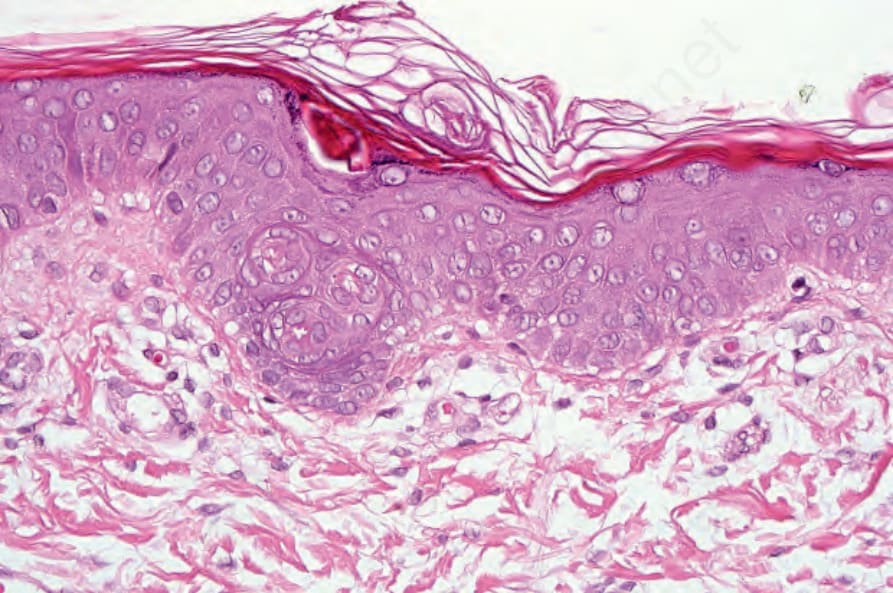
Fig. 3.59 Ichthyosis follicularis with alopecia and photophobia: there is hyperkeratosis centered on an acrosyringium.
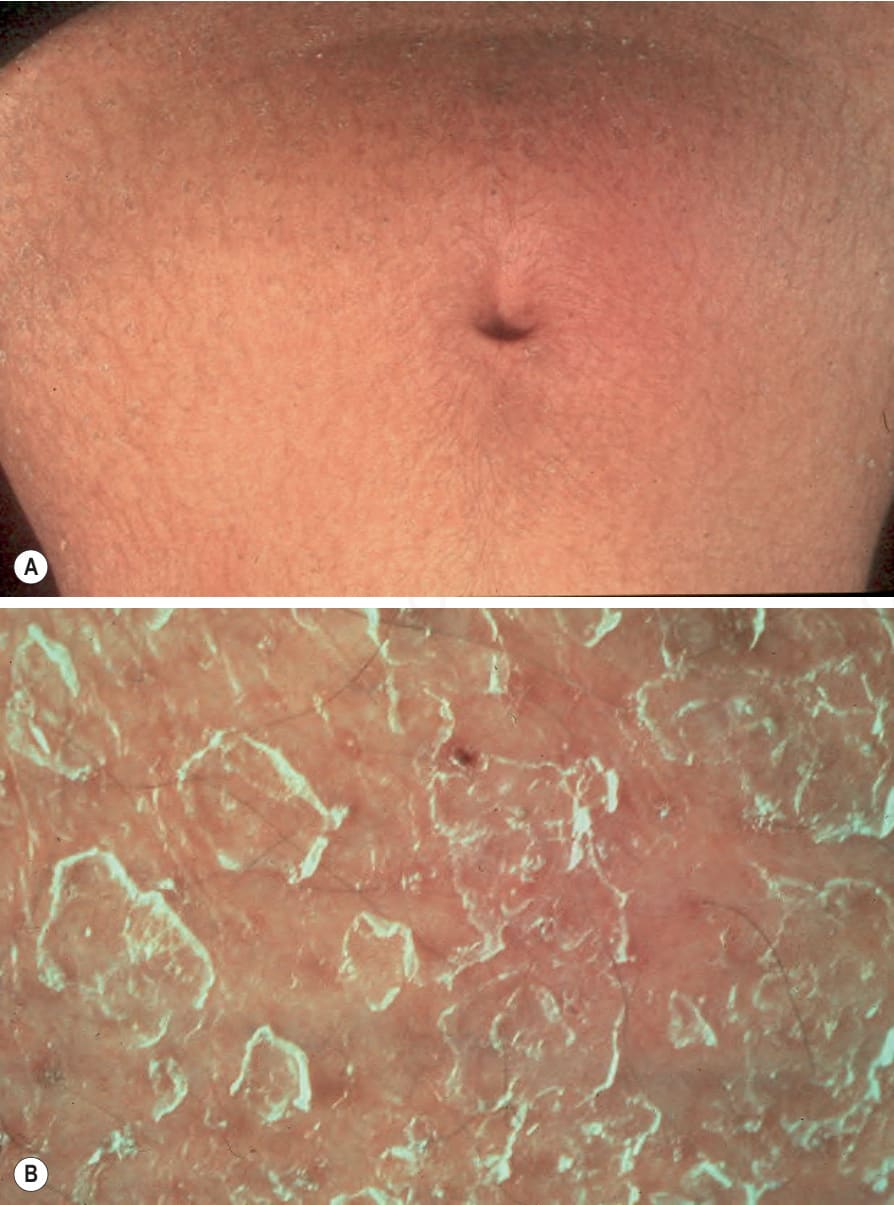
Fig. 3.60 Acquired ichthyosis: (A) cutaneous manifestations most often resemble ichthyosis vulgaris; (B) close-up view of the scale. By courtesy of the Institute of Dermatology, London, UK.
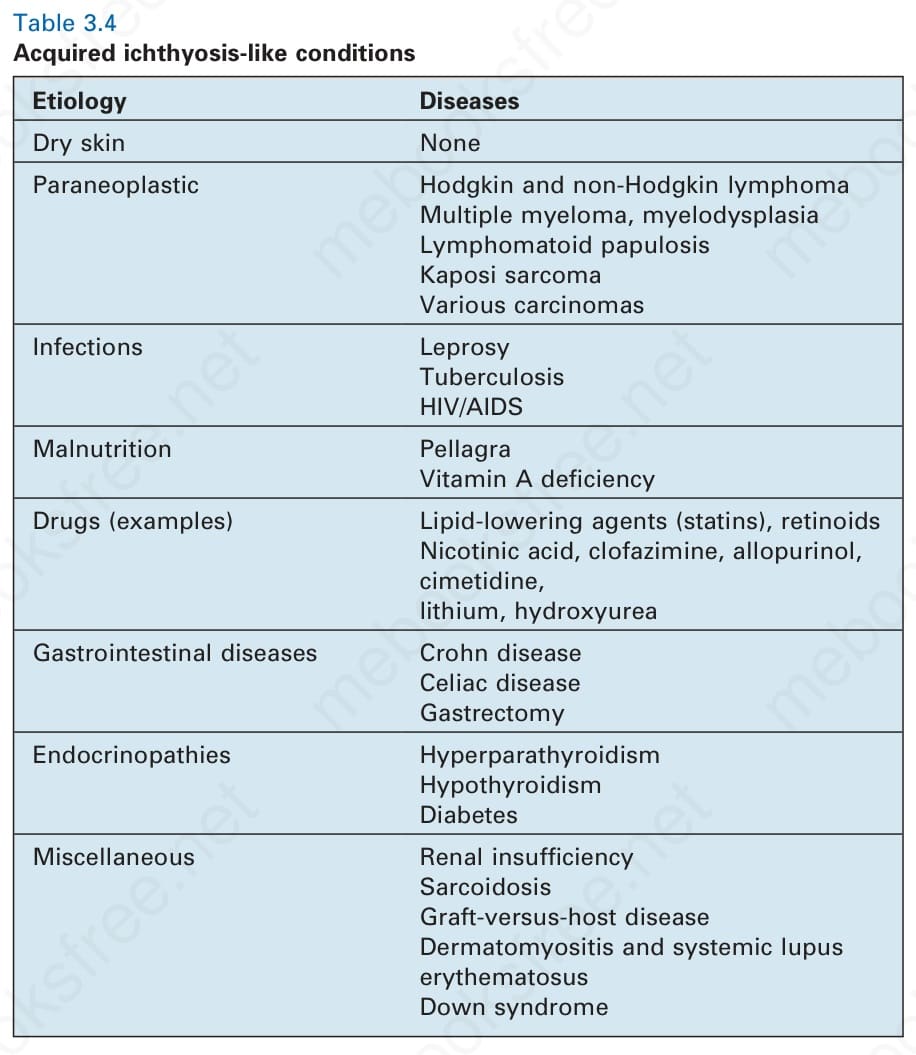
Table 3.4 Acquired ichthyosis-like conditions