Low-grade myofibroblastic sarcoma
Low-grade myofibroblastic sarcoma
Clinical features Low-grade myofibroblastic sarcoma is a rare distinctive tumor that presents as a deep-seated mass in the limbs and head and neck of adults, with a
Pathogenesis and histologic features Cytogenetic studies of infantile fibrosarcoma have shown a t(12;15)(p13;q26) resulting in activation of the NTRK3 receptor tyrosine kinase gene, leading to a recurrent ETV6-NTRK3 gene fusion.20–22 This same translocation can
1752 Connective tissue tumors
also be associated with cellular congenital mesoblastic nephroma, which is considered its renal counterpart. This fusion has also been reported in other neoplasms such as acute myeloid leukemia, mammary type secretory carcinoma of the skin and salivary glands and secretory breast carcinoma.20,23–25 EML4-NTRK3 fusion transcripts are also rarely found.26 A small subgroup of cases displaying overlapping histologic features with infantile fibrosarcoma, occurring in older children and adolescents and with predilection for axial sites, display BRAF gene fusions.27 In a further case with similar features a TPM3-NTRK1 fusion transcript was identified.27
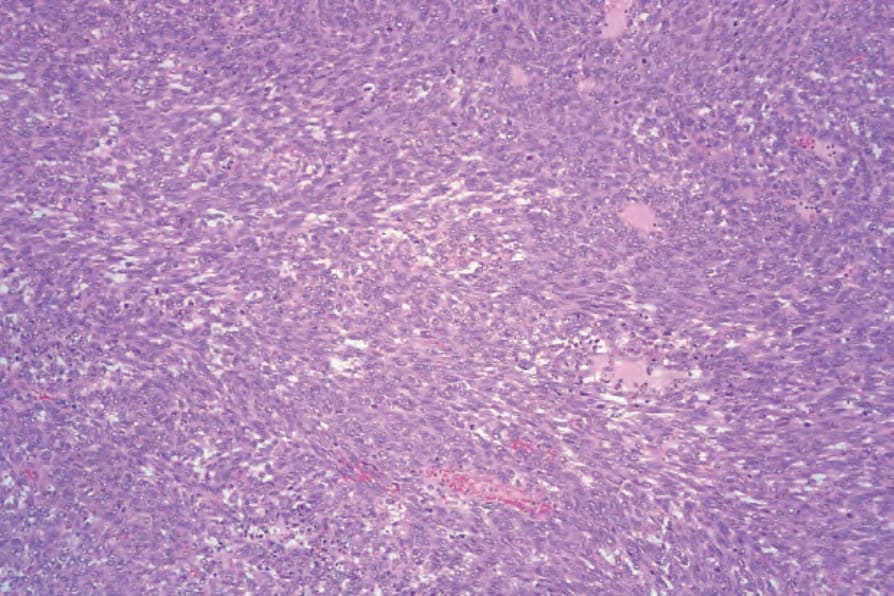
Fig. 35.178 Infantile fibrosarcoma: the tumor is densely cellular and an ill-defined herring-bone pattern is evident.
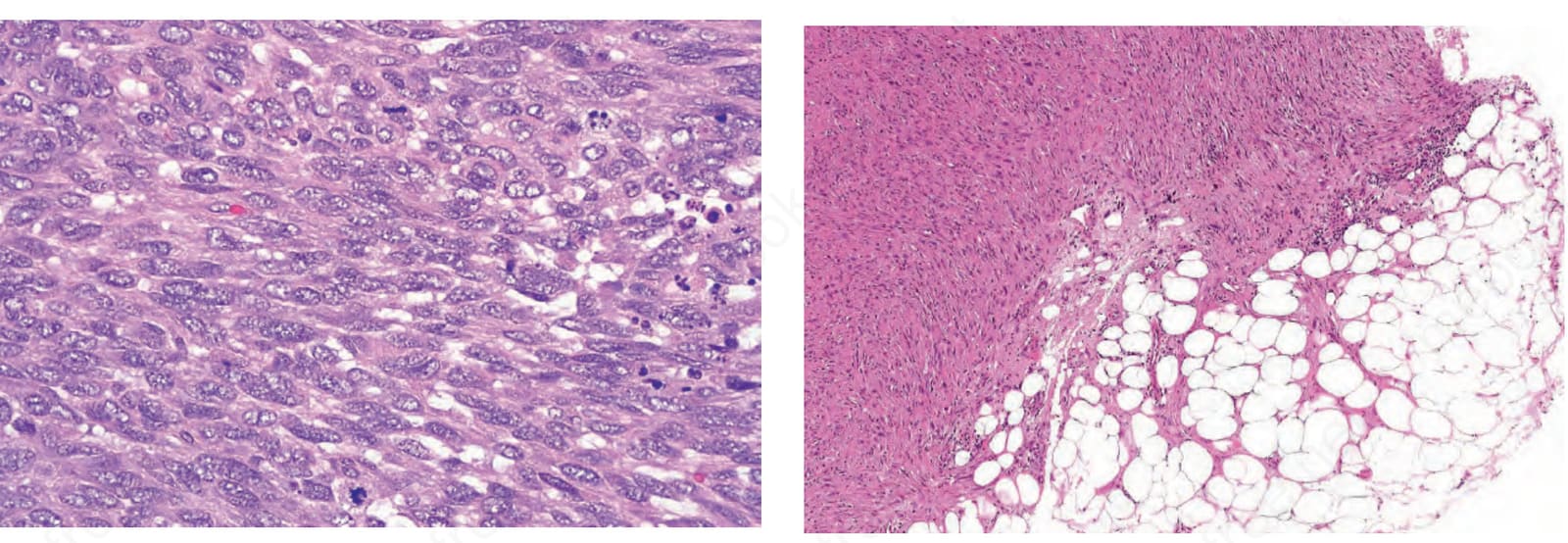
Fig. 35.179 Infantile fibrosarcoma: the tumor cells are basophilic and have regular elongated nuclei.
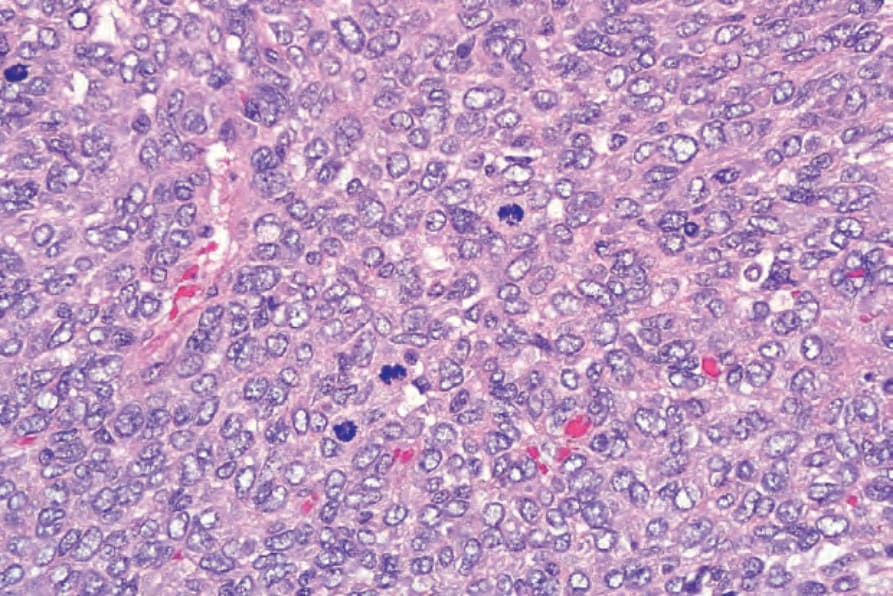
Fig. 35.180 Infantile fibrosarcoma: in this field the tumor cells are more epithelioid and show striking mitotic activity.
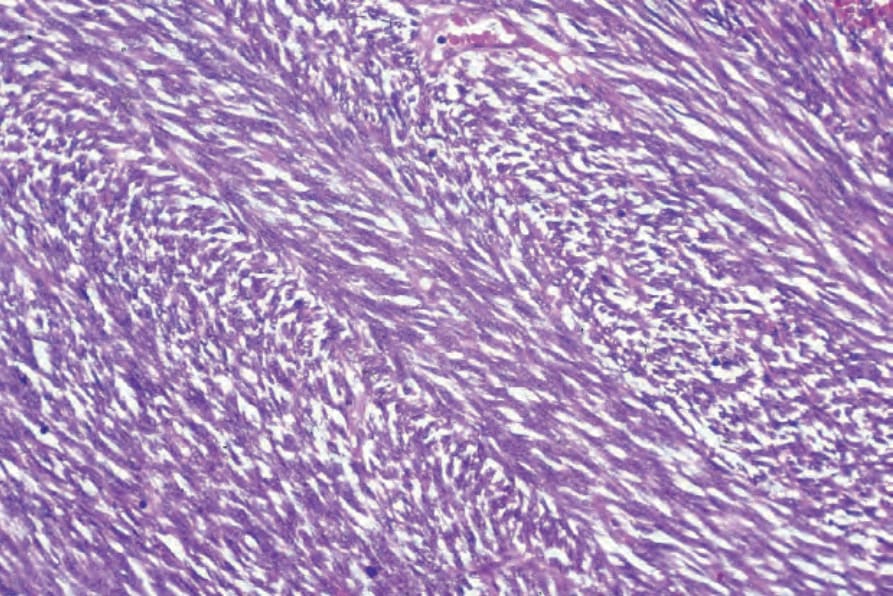
Fig. 35.181 Superficial CD34-positive fibroblastic tumor: pleomorphic spindle-shaped cells with nuclear enlargement and hyperchromatism.