Classification
Classification
Tumors of the conjunctiva are generally classified by tissue or cell of origin, and whether the tumor is benign or malignant. Most conjunctival tumors are epithelial or melanocytic in origin.5,6 Hematopoietic tumors, such as lymphomas and leukemias, can occur in the conjunctiva. Other conjunctival tumors are from various elements of the conjunctival stroma, including vascular, fibrous, neural, histiocytic, myogenic, myxoid, and lipomatous. Other groups of conjunctival tumors include hamartomas and choristomas, caruncular tumors, metastatic and secondary tumors, and tumorlike lesions.
The classification of conjunctival tumors in this chapter is based on the second edition of the World Health Organization (WHO) International Histological Classification of Tumors6 with consultation of other major texts.4,6–9 The tumors discussed in this chapter are listed in Table 27.1.
1365 Epithelial tumors
may be adherent to the extraocular muscle sheath, overlying conjunctiva, or underlying sclera.1
Histologic features Osseous choristoma is composed of mature cortical bone surrounded by fibrous connective tissue (Fig. 27.8).1
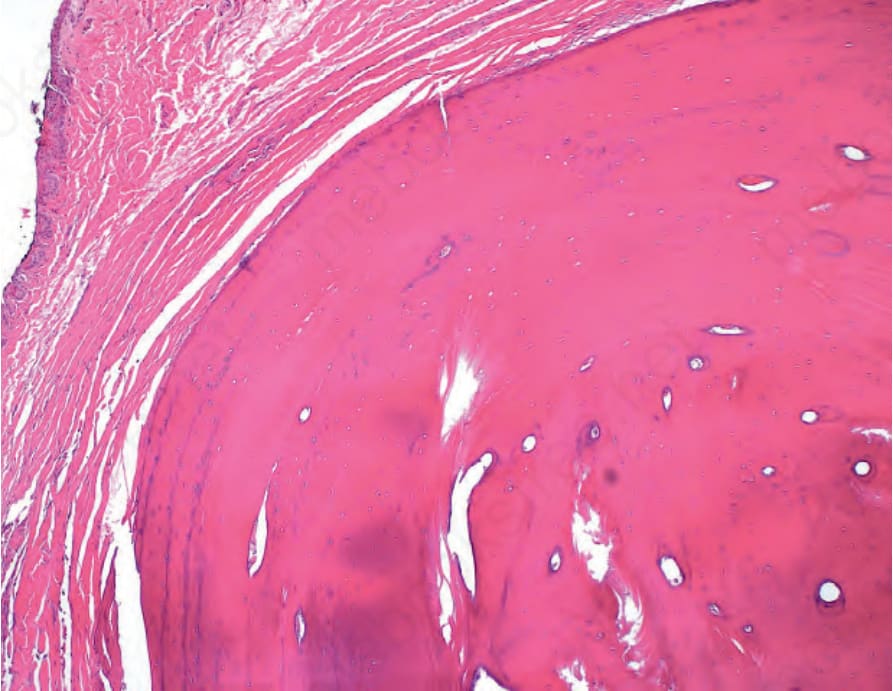
Fig. 27.8 Osseous choristoma: histology shows mature compact bone surrounded by connective tissue.
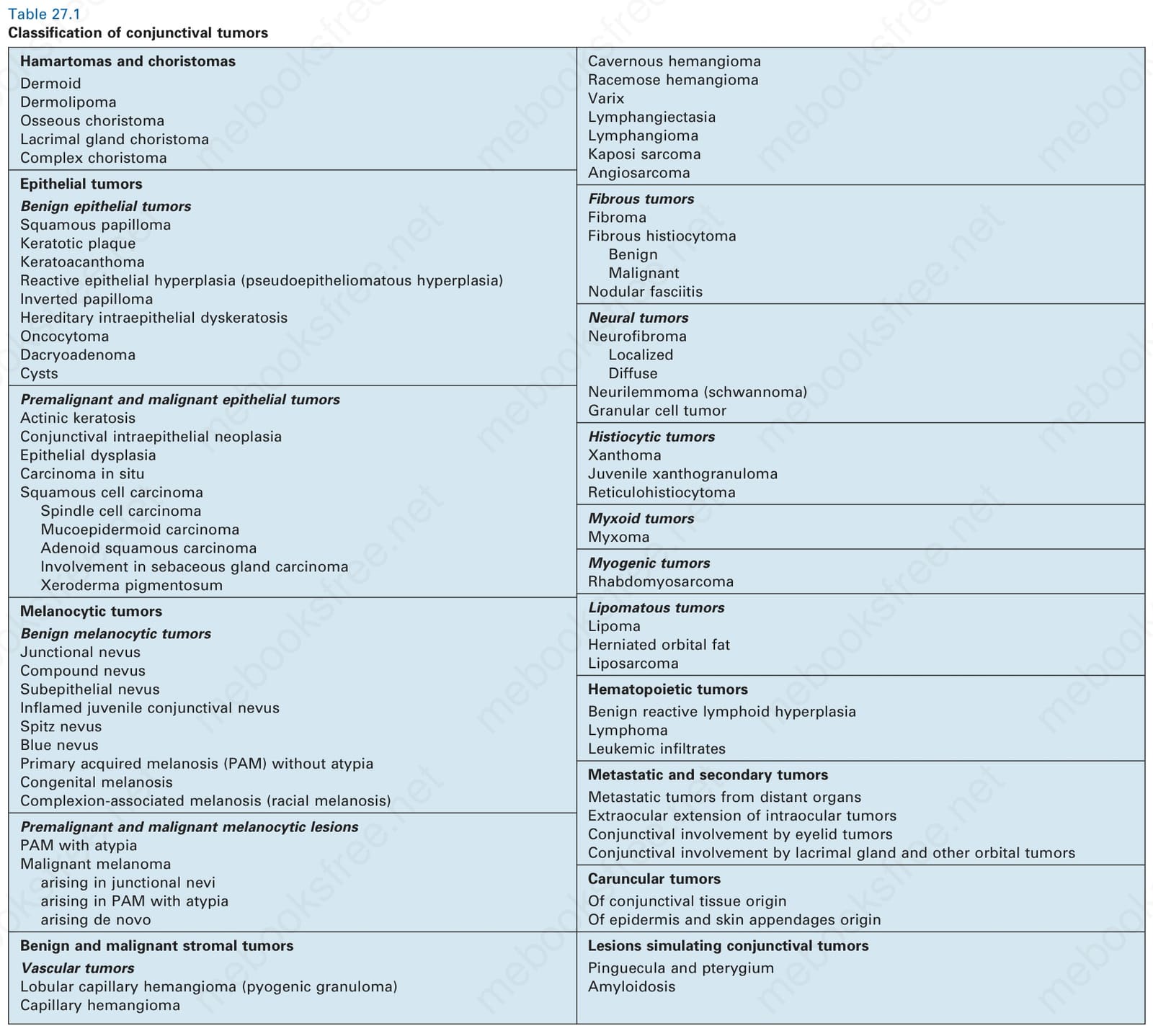
Table 27.1 Classification of conjunctival tumors