Clavus and callus
Clavus and callus
Clavi (corns) are extremely common painful keratotic lesions that develop on the dorsal or lateral aspect of the toes, often as a consequence of ill-fitting shoes. Histologically, they are characterized by a deep keratin-filled depression often associated with atrophy of the underlying epidermis (Fig. 3.137). The granular layer is often lost and parakeratosis is observed. A clavus can be distinguished from plantar warts by the absence of koilocytes and irregular keratohyalin granules.
A callus is a nonpainful localized focus of hyperkeratosis usually arising on the ball of the foot or heel from pressure or foot deformity.1 Palmar lesions arise as a consequence of chronic rubbing. Extensive use of a computer mouse may lead to a ‘mousing callus’.2 Histologically, a callus is similar to a clavus consisting of a keratin-filled epidermal dell with hypergranulosis.
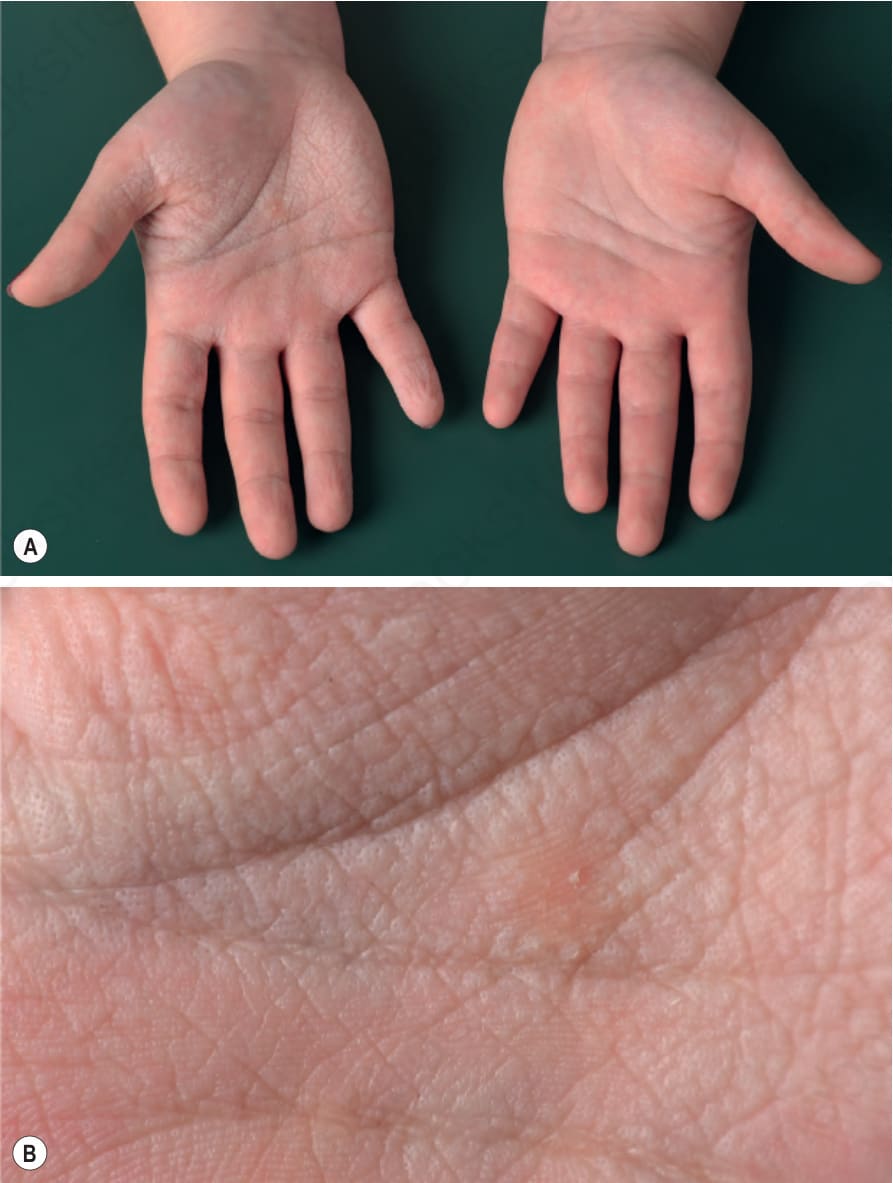
Fig. 3.135 Transient aquagenic keratoderma: (A) shortly after immersion of the right hand in water thickening and ‘pebbly’ changes developed on the palm. Left hand is the control; (B) the papular lesions show widely dilated acrosyringeal ostia.
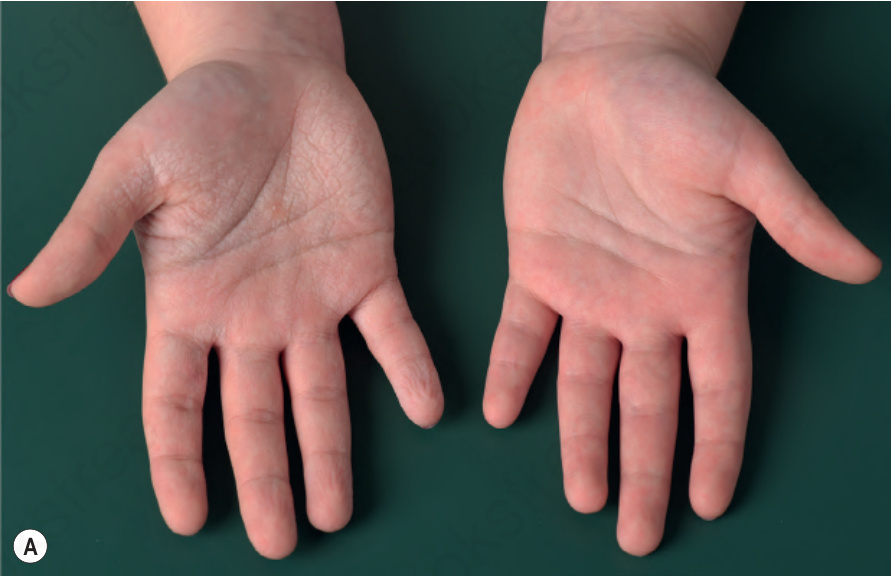
Fig. 3-137 (caption embedded in image / 圖說烘焙於圖內)