Colloid milium
Colloid milium
Colloid milium, which is characterized by the deposition of amorphous, eosinophilic granular deposits in the superficial dermis, has a number of subtypes including the juvenile and adult variants. It may also develop as a manifestation of ochronosis due to use of the skin bleaching agent hydroquinone or exposure to fertilizers.1,2 Two other variants – nodular colloid degeneration and paracolloid of the skin – are probably variants of nodular
583 Colloid milium
amyloidosis.3–5 An alternative name proposed for adult colloid milium is papular elastosis.6
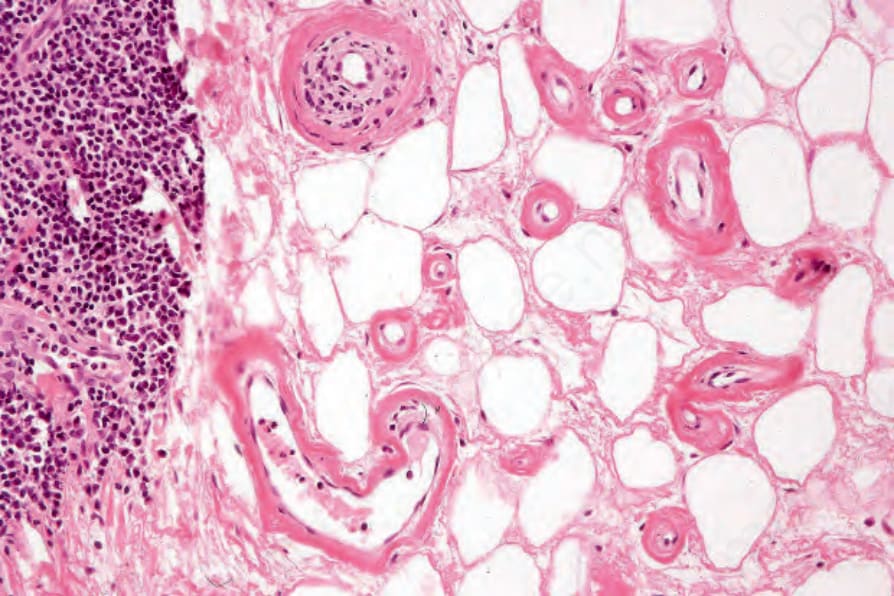
Fig. 13.67 Nodular amyloid: in this example, vessels in the subcutaneous fat showing striking involvement.
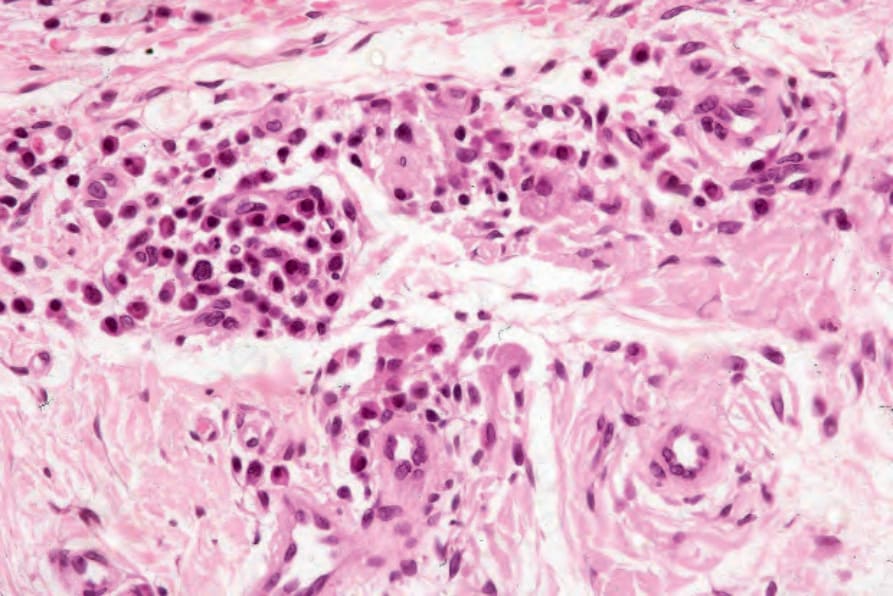
Fig. 13.68 Nodular amyloidosis: there is a conspicuous plasma cell infiltrate.